


Run your fingers across a length of handloom fabric and you will feel something a machine can never replicate - the quiet rhythm of a weaver's hands embedded in every thread. For thousands of years, India's handloom weavers have turned raw cotton, silk, and wool into textiles so distinctive that empires traded wars over them. Yet many people today struggle to explain what handloom actually means or why it matters in an age of fast fashion.
This guide unpacks the story of handloom fabric from its ancient origins to its modern revival - how handwoven textiles are made, what separates them from powerloom production, and how to bring their warmth into your own living spaces.
What Is Handloom Fabric?
Handloom fabric is any textile woven on a manually operated loom - a frame that holds vertical warp threads taut while the weaver interlaces horizontal weft threads by hand, using foot pedals and a shuttle. No electricity powers the process. A skilled artisan typically weaves between five and eight metres of fabric in a full working day.
This deliberate process gives handwoven fabric its defining characteristics: a slightly irregular texture, a soft drape that improves with each wash, and a breathability that powerloom fabrics rarely match. In India, the handloom sector is the second-largest source of rural employment after agriculture, sustaining over 4.3 million weavers and allied workers.
A Brief History of Handloom in India
Archaeological evidence from Mohenjo-daro confirms that cotton was spun and woven on the Indian subcontinent as early as 3000 BCE. By the Mauryan period, Indian muslin and calico were already prized across Greco-Roman trade networks, carried along maritime routes to Egypt and the Mediterranean.
The Mughal era elevated handloom weaving to an art form. Imperial patronage gave rise to ornate Banarasi brocades and fine Jamdani muslins - Bengal's muslin was so sheer that European traders called it "woven air." Colonial rule later devastated the industry through heavy tariffs on Indian textiles. Mahatma Gandhi turned the hand-spun charkha into a symbol of self-reliance, and the handloom revival became inseparable from the independence movement itself.
Types of Handloom Fabric
Cotton Handloom
Cotton remains the backbone of India's handloom output. Rajasthan, Tamil Nadu, and West Bengal produce handloom cotton fabric in a staggering range - from sturdy cotton dhurries to gossamer-light Chanderi and Mangalgiri cottons. Cotton handloom is prized for its breathability in tropical climates and its ability to absorb natural dyes with exceptional depth of colour.
Silk Handloom
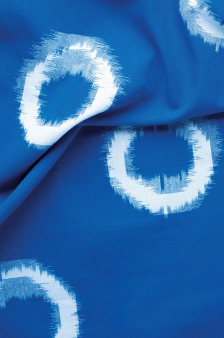
India is the world's second-largest silk producer. Kanchipuram silk from Tamil Nadu, Muga silk from Assam, and Patola double-ikat from Gujarat each represent distinct weaving lineages passed down through generations - typically reserved for ceremonial wear and carrying cultural significance well beyond aesthetics.
Wool Handloom
In Kashmir, Himachal Pradesh, and Rajasthan, weavers work with wool and pashmina. Kashmiri pashmina shawls - woven from the fine undercoat of Changthangi goats above 4,000 metres - are among the most valued handwoven textiles on earth. Woollen handloom also extends to everyday flat-weave dhurries used as floor coverings across Indian households.
Handloom vs Powerloom: Why It Matters
The distinction is not simply nostalgia - it has real implications for quality, sustainability, and livelihoods. A powerloom operates on electricity, and one machine can replace the output of up to fourteen handlooms. That efficiency comes at a cost: powerloom fabrics are tightly and uniformly woven, stiffer, and less breathable. Over time they tend to develop a synthetic feel, while handwoven textiles grow softer with use.
Handloom weaving consumes zero electrical energy, and many artisan clusters still rely on natural, plant-based dyes. Choosing handloom fabric is not just a design decision - it is a vote for lower carbon impact and the preservation of a craft that sustains millions of rural families. India accounts for roughly 85 per cent of global handloom production, a position that depends on continued consumer demand.
How to Style Handloom Fabric in Your Home
Living Rooms and Lounges
A handloom dhurrie anchors a living room with texture no machine-made rug can replicate. Geometric motifs in ochre, indigo, and terracotta work equally well in minimalist or maximalist settings. Layer a flat-weave dhurrie over a quality rug pad for cushioning, then complement with handloom cushion covers for a cohesive look.
Bedrooms and Personal Spaces
Handloom cotton bedspreads introduce subtle pattern without overwhelming a bedroom. Pair a handwoven coverlet with textured cushions from the Zaminda collection to create depth through materiality rather than colour alone.
Whether you are drawn to the geometric precision of a Shyam Ahuja textile or the rustic warmth of a village-made throw, integrating handloom into your home supports a living tradition. You can explore the full range of handwoven designs in the Keep Discovering section, or learn more about the story behind the craft on the About Us page.
Caring for Handloom Fabric
Handloom textiles reward gentle handling. Wash in cold water with a mild detergent, avoid wringing, and dry flat in the shade. For handloom rugs and dhurries, regular vacuuming on a low setting keeps dust from settling into the weave. Consider a stain resistant coating for high-traffic areas, and see the guide for fibre-specific advice.
Frequently Asked Questions
What is the difference between handloom fabric and powerloom fabric?
Handloom fabric is woven entirely by hand on a manually operated loom, producing textiles with subtle irregularities that give each piece a unique character. Powerloom fabric is machine-woven using electricity, resulting in uniform, mass-produced textiles. Handloom tends to be more breathable, durable, and softer over time, while powerloom fabric is more affordable and consistent in appearance.
Why is handloom fabric more expensive than machine-made fabric?
Handloom fabric takes significantly longer to produce - a single weaver might complete only a few metres per day compared to hundreds on a powerloom. The cost reflects the artisan's skill, the time invested, and the superior quality of natural fibres and dyes used in handwoven textiles.
How can I tell if a fabric is genuinely handloom?
Look for slight irregularities in the weave - small variations in thread tension, minor colour shifts, and uneven selvage edges are hallmarks of authentic handloom. The Indian government also issues a Handloom Mark certification. Genuine handwoven fabric tends to feel softer and more textured than its machine-made counterpart.
What are the most popular types of handloom fabric in India?
India produces a remarkable variety of handloom fabrics, including Banarasi silk from Varanasi, Kanchipuram silk from Tamil Nadu, Chanderi from Madhya Pradesh, Pashmina from Kashmir, Ikat from Odisha and Andhra Pradesh, and handloom cotton dhurries from Rajasthan and Uttar Pradesh.
Is handloom fabric sustainable?
Yes, handloom is among the most sustainable forms of textile production. It requires no electricity to operate, generates zero carbon emissions during weaving, and many artisan clusters use natural, plant-based dyes. Choosing handloom directly supports rural livelihoods and preserves centuries-old craft traditions.
How should I care for handloom fabric at home?
Hand wash handloom fabrics in cold water with a mild detergent. Avoid wringing or twisting, and dry flat in the shade to prevent colour fading. For handloom rugs and dhurries, regular vacuuming and spot cleaning are usually sufficient. Always check the specific care instructions for the fibre type - silk, cotton, and wool each have different requirements.
Handloom fabric is far more than a material - it is a living archive of India's artistic and cultural identity. Every handwoven textile connects the person who uses it to a weaver, a community, and a tradition stretching back millennia. Whether you are furnishing a home or simply looking for something made with intention, handloom is always worth the choice.
Explore how handloom craftsmanship translates into modern design at Shyam Ahuja, or browse the FAQs for more on purchasing and care.
Explore Handloom Dhurries & Textiles
Discover Shyam Ahuja's curated collection of handwoven dhurries, rugs, and fabrics - crafted by India's finest artisans.
